
Introducing the artistry of shou sugi ban siding, a centuries-old Japanese technique that transforms wood into a stunning architectural feature. From its intriguing origins to modern applications, this unique siding option offers a blend of tradition and innovation that captivates homeowners and designers alike.
What is Shou Sugi Ban Siding?
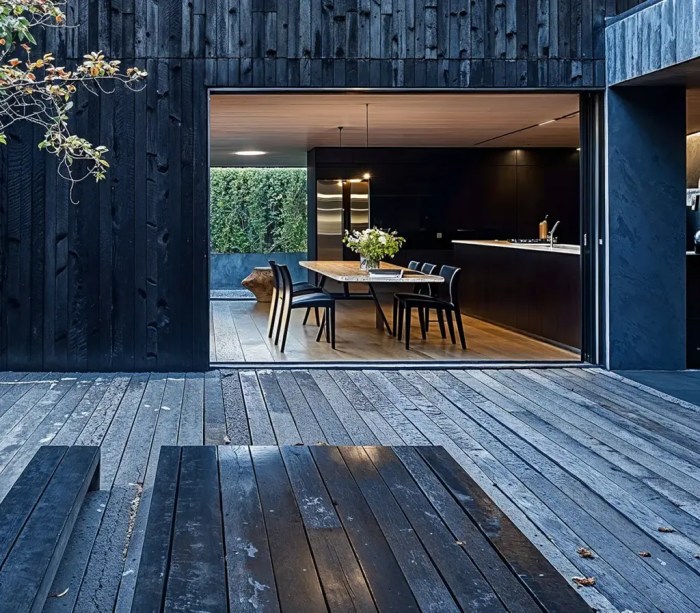
Shou Sugi Ban siding is a traditional Japanese technique used to preserve wood by charring the surface. The process involves carefully burning the wood to create a protective layer that enhances its durability and resistance to elements.
Origins of Shou Sugi Ban
Shou Sugi Ban originated in Japan centuries ago as a way to protect wood from insects, fire, and decay. The process was developed out of necessity to make the wood last longer and withstand harsh weather conditions.
Traditional Technique
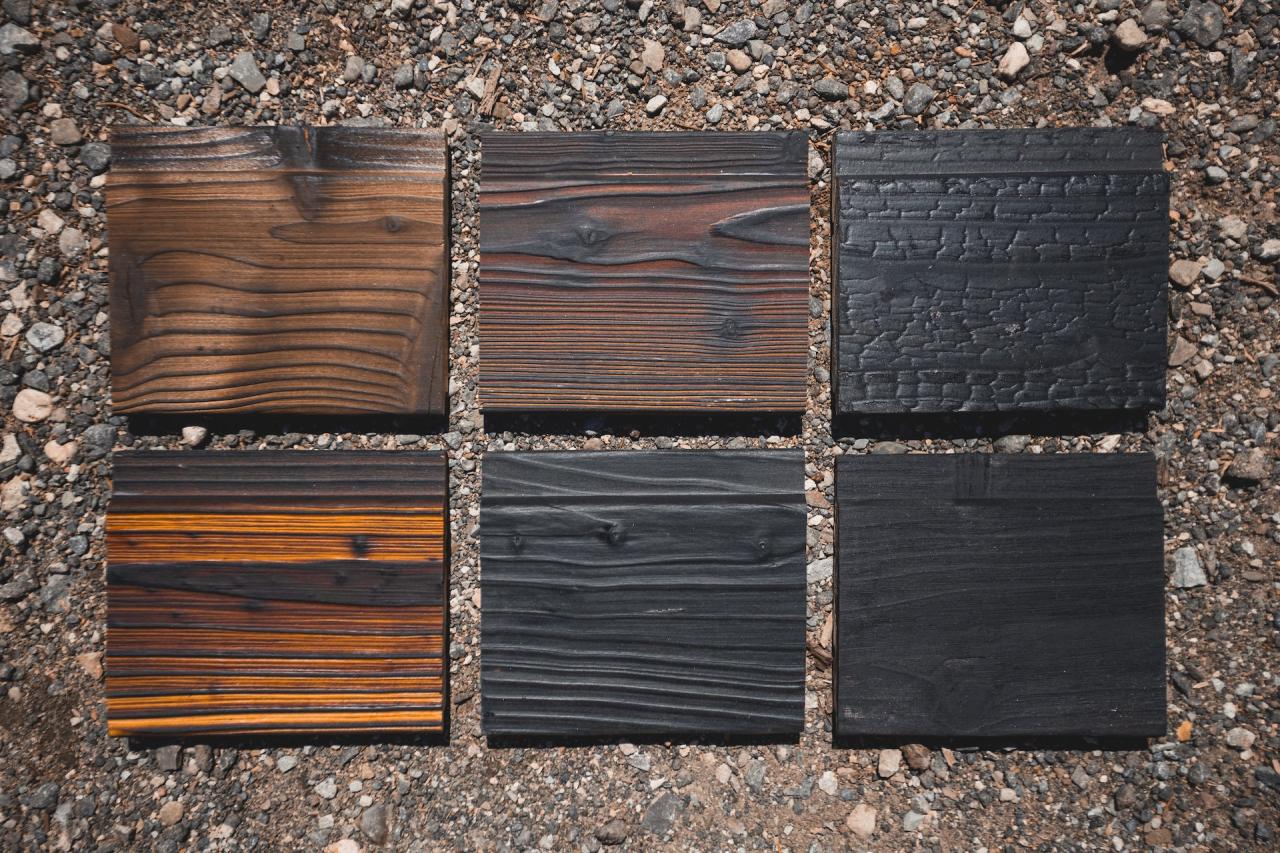
The traditional technique involves charring the wood surface with fire, followed by cooling, cleaning, and brushing off the charred debris. This process creates a unique appearance with a sleek, black finish that can be brushed or left untouched based on the desired aesthetic.
Characteristics and Benefits
- Enhanced Durability: Shou Sugi Ban siding is known for its increased durability and longevity due to the charred layer protecting the wood from moisture and pests.
- Natural Resistance: The charring process makes the wood naturally resistant to fire, rot, and insects, reducing maintenance requirements.
- Unique Aesthetic: The charred finish of Shou Sugi Ban siding provides a distinct and modern look that adds character to any structure.
- Environmentally Friendly: By using a natural technique to preserve the wood, Shou Sugi Ban siding is considered eco-friendly and sustainable.
How is Shou Sugi Ban Siding Made?
Shou Sugi Ban siding is made through a traditional Japanese technique that involves charring wood to enhance its durability and aesthetics.
Materials Required for Making Shou Sugi Ban Siding:
- High-quality wood planks (such as cedar, cypress, or pine)
- Blowtorch or other charring tool
- Wire brush or scrubbing tool
- Water and cleaning supplies for finishing
Steps Involved in Charring and Finishing the Wood:
Before starting the charring process, the wood planks are prepared by being cut to the desired size and shape.
- Charring: The wood surface is carefully charred using a blowtorch or other charring tool. The intensity of the char can vary based on the desired aesthetic.
- Cooling: After charring, the wood is allowed to cool down to ensure it is safe to handle.
- Scrubbing: The charred surface is then scrubbed with a wire brush or scrubbing tool to remove excess charred particles and reveal the wood grain.
- Finishing: Finally, the wood is cleaned with water and other supplies to remove any remaining debris and seal the charred surface for longevity.
Applications of Shou Sugi Ban Siding
Shou Sugi Ban siding is a versatile material that can be used in various architectural and design applications, adding a unique and striking aesthetic to both residential and commercial projects. Its durability and weather resistance make it suitable for different climates and environments, making it a popular choice among architects and designers.
Residential Projects
- Shou Sugi Ban siding can be used in residential projects to create a modern and sleek exterior facade.
- It is often used on accent walls or entire facades to add texture and visual interest to a home.
- Residential projects such as cabins, cottages, and contemporary homes often feature Shou Sugi Ban siding for its distinct look.
Commercial Projects
- Commercial buildings like restaurants, retail shops, and offices incorporate Shou Sugi Ban siding to make a bold design statement.
- It can be applied indoors as well, on feature walls or ceilings, creating a warm and inviting atmosphere.
- Hotels and resorts also use Shou Sugi Ban siding in their designs to evoke a sense of luxury and sophistication.
Versatility in Different Climates
- Shou Sugi Ban siding is highly resilient and can withstand harsh weather conditions, making it ideal for coastal areas or regions with extreme temperatures.
- Its natural resistance to rot and insects makes it suitable for humid environments where traditional wood siding may not hold up well.
- In colder climates, Shou Sugi Ban siding provides excellent insulation, helping to regulate indoor temperatures and reduce energy costs.
Maintenance and Longevity of Shou Sugi Ban Siding
Proper maintenance is essential to ensure the longevity of Shou Sugi Ban siding. By following some simple guidelines, you can preserve the beauty and durability of this unique material for years to come.
Advise on how to maintain Shou Sugi Ban siding for longevity
Regularly inspect the siding for any signs of damage or wear, such as cracks or fading. Clean the surface with a soft brush or cloth to remove dirt and debris. Apply a coat of UV protective finish every few years to enhance the siding's resistance to the elements.
Compare the durability of Shou Sugi Ban siding with other traditional siding materials
Shou Sugi Ban siding is known for its exceptional durability, often outlasting other traditional siding materials such as wood, vinyl, or fiber cement. The charring process not only enhances the wood's natural resistance to rot, insects, and fire but also creates a beautiful, weather-resistant finish.
Share tips on preserving the aesthetic appeal of Shou Sugi Ban siding over time
To maintain the striking appearance of Shou Sugi Ban siding, avoid using harsh chemical cleaners or pressure washers, as they can damage the charred surface. Instead, opt for gentle cleaning methods and periodic resealing to protect the wood and keep it looking vibrant.
Regularly inspect the siding for any areas that may need touch-ups or repairs to ensure its visual appeal remains intact.
Final Wrap-Up
In conclusion, shou sugi ban siding stands out as a durable, aesthetically pleasing choice for any project. With its rich history and versatile nature, this ancient technique continues to leave a lasting impression on the world of design and construction.
Detailed FAQs
How long does shou sugi ban siding last?
When properly maintained, shou sugi ban siding can last up to 80 years or more.
Is shou sugi ban siding suitable for all climates?
Yes, shou sugi ban siding is known for its durability in various climates, making it a versatile option for different environments.
Can shou sugi ban siding be painted over?
While it is possible to paint shou sugi ban siding, many prefer to showcase the natural beauty of the charred wood without additional coatings.




![13 Steps to Selling a House With a Realtor [A to Z Process]](https://business.sabineblog.com/wp-content/uploads/2025/11/How-to-Sell-Your-House-with-a-Realtor-120x86.jpeg)