

Architecture building design sets the stage for this enthralling narrative, offering readers a glimpse into a story that is rich in detail and brimming with originality. From shaping the physical structures we inhabit to influencing our daily experiences, architecture plays a pivotal role in the way we interact with our built environment.
As we delve deeper into the intricacies of architectural design, we uncover a world where form meets function, tradition merges with innovation, and cultural influences intertwine to create architectural marvels that stand the test of time.
Importance of Architecture in Building Design
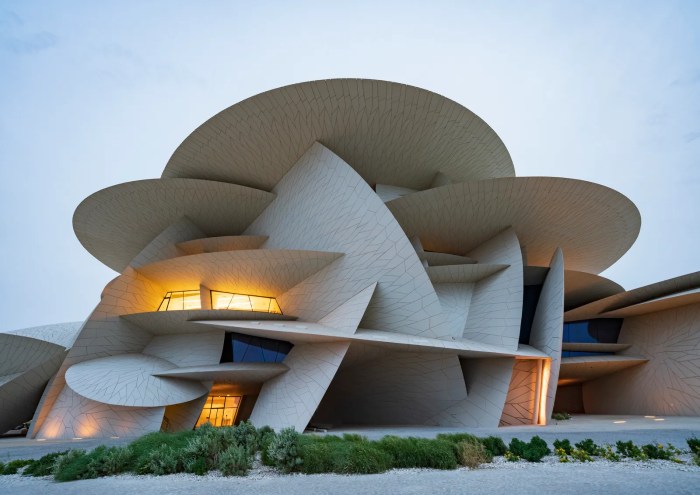
Architecture plays a crucial role in shaping the design of buildings, influencing both their functionality and aesthetics. The design choices made by architects can significantly impact the overall feel and purpose of a structure.
Architectural Elements and Building Design
Architectural elements such as the use of natural light, building materials, and spatial organization can greatly influence the design of a building. For example, the incorporation of large windows can create a sense of openness and connection to the outdoors, while the use of sustainable materials can enhance the environmental performance of a structure.
Impact of Architectural Styles
Different architectural styles, such as modernist, neoclassical, or postmodern, can have a profound impact on the functionality and aesthetics of a building. For instance, a modernist building with clean lines and minimal ornamentation may prioritize efficiency and simplicity, while a neoclassical building with ornate details and symmetry may convey a sense of grandeur and tradition.
Integration of Form and Function
Architectural design is not just about creating visually appealing structures; it also involves ensuring that the form follows the function. This means that the layout, materials, and overall design of a building should align with its intended use and purpose.
Architects must balance creativity with practicality to create buildings that are both beautiful and functional.
Key Principles of Architectural Design
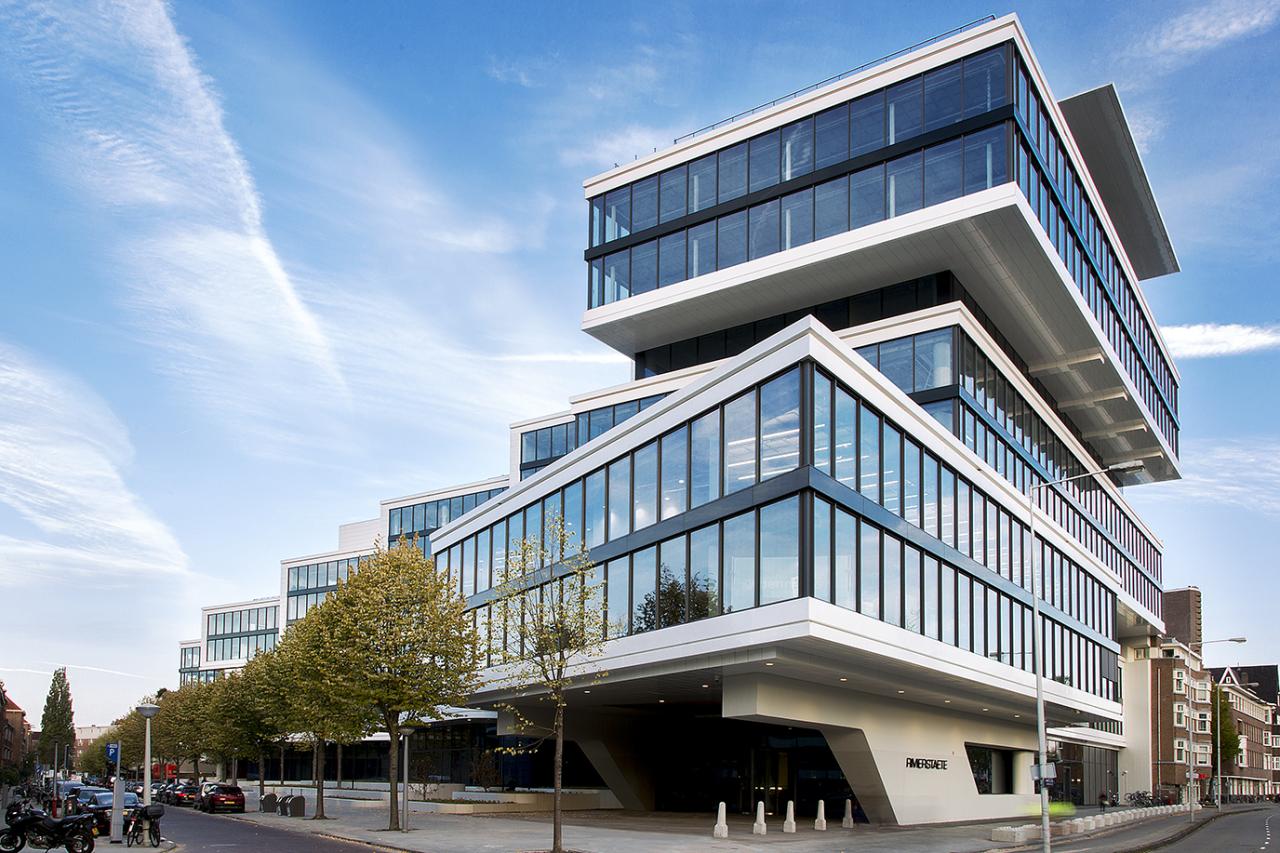
In architectural design, there are several key principles that architects follow to create visually appealing and functional buildings. These principles help guide the design process and ensure that the final product meets the needs of its users while also being aesthetically pleasing.
Balance, Symmetry, and Scale
Balance, symmetry, and scale are fundamental principles in architectural design. Balance refers to the distribution of visual weight in a building, ensuring that it feels stable and harmonious. Symmetry involves creating a sense of equilibrium by mirroring elements on either side of a central axis.
Scale, on the other hand, deals with the size of elements in relation to each other and the overall building.
Function and Form Interaction
The interaction between function and form is crucial in architectural design. Functionality refers to how well a building serves its intended purpose, while form relates to the aesthetic qualities of the design. Architects must strike a balance between the two, ensuring that the building not only looks good but also functions efficiently for its users.
Sustainability and Environmental Considerations
In modern architectural design, sustainability and environmental considerations play a significant role. Architects are increasingly incorporating green design principles to reduce the environmental impact of buildings. This includes using energy-efficient materials, maximizing natural light, and implementing renewable energy sources to create buildings that are environmentally friendly and energy-efficient.
Evolution of Architectural Styles
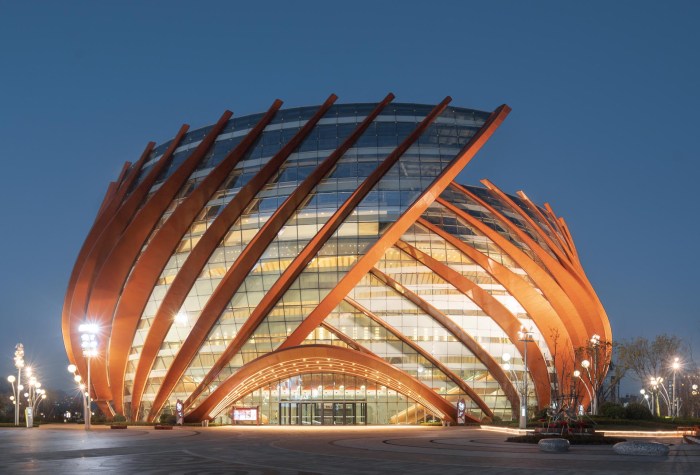
Architectural styles have evolved significantly over different time periods, reflecting the cultural, social, and technological advancements of each era
Ancient Architecture
Ancient architectural styles, such as Egyptian, Greek, and Roman, focused on grandeur, symmetry, and monumental structures. These civilizations used materials like stone and marble to create impressive temples, palaces, and amphitheaters.
Medieval Architecture
During the medieval period, Gothic architecture emerged with its pointed arches, ribbed vaults, and flying buttresses. This style was characterized by large cathedrals and castles, reflecting religious and feudal influences.
Renaissance Architecture
The Renaissance period saw a revival of classical elements from ancient Greece and Rome, with a focus on proportions, perspective, and humanism. Buildings featured columns, domes, and symmetry, embodying a sense of harmony and balance.
Modern Architecture
In the 20th century, modern architecture rejected traditional ornamentation in favor of clean lines, simplicity, and functionality. Styles like Art Deco, Bauhaus, and International Style emerged, emphasizing innovation, technology, and industrial materials.
Contemporary Architecture
Contemporary architecture continues to evolve with a focus on sustainability, adaptability, and contextual design. Architects today blend traditional principles with cutting-edge technology to create environmentally-friendly and socially-responsive buildings.
Comparison of Traditional and Contemporary Styles
Traditional architectural styles were rooted in history, culture, and craftsmanship, while contemporary styles prioritize innovation, efficiency, and global connectivity. Both approaches showcase the evolution of design thinking and societal values over time.
Cultural Influences on Architectural Styles
Cultural influences play a significant role in shaping architectural styles around the world. From the intricate patterns of Islamic architecture to the minimalism of Japanese design, each culture brings unique perspectives, materials, and aesthetics to the built environment.
Integration of Technology in Building Design
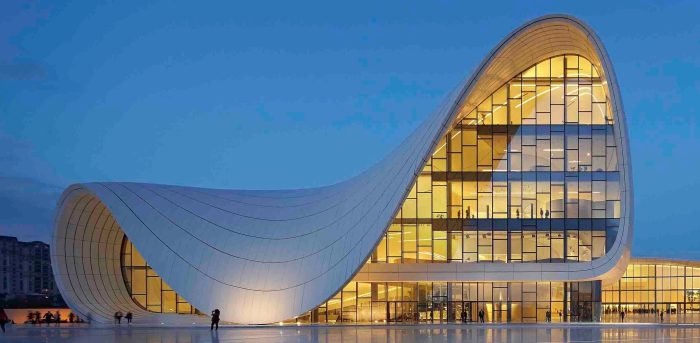
Technology has significantly transformed the field of architectural design, with tools like Building Information Modeling (BIM) revolutionizing the way buildings are conceptualized and constructed. The integration of digital tools and software has greatly impacted the efficiency and accuracy of the building design process, leading to more streamlined and precise outcomes.
Furthermore, advancements in materials science have influenced modern architectural design trends, allowing architects to explore innovative and sustainable building solutions.
Impact of Building Information Modeling (BIM)
Building Information Modeling (BIM) is a digital representation of a building's physical and functional characteristics, providing architects, engineers, and construction professionals with a comprehensive overview of the project. This technology allows for the creation of 3D models that can be easily modified, analyzed, and shared among team members, resulting in improved collaboration and coordination.
BIM facilitates better decision-making throughout the design and construction phases, leading to cost savings, reduced errors, and enhanced project outcomes.
Advancements in Digital Tools and Software
The use of digital tools and software in building design has revolutionized the way architects approach their projects. From computer-aided design (CAD) software to parametric modeling tools, architects now have access to a wide range of technologies that enable them to explore complex designs and experiment with innovative solutions.
These tools enhance the efficiency and accuracy of the design process, allowing architects to create more sustainable, functional, and aesthetically pleasing buildings.
Influence of Materials Science on Modern Architectural Design
Advancements in materials science have opened up new possibilities for architects to incorporate innovative and sustainable materials into their designs. From carbon-neutral materials to self-healing concrete, architects are exploring a wide range of options to create buildings that are environmentally friendly and resilient.
By leveraging the latest material technologies, architects can push the boundaries of design and create structures that are not only visually striking but also durable and energy-efficient.
End of Discussion
In conclusion, the journey through the world of architecture building design unveils a realm where creativity knows no bounds and where every structure tells a unique story. From the evolution of styles to the integration of cutting-edge technology, the landscape of architectural design continues to evolve, shaping the way we experience the world around us.
FAQ Corner
How does architecture influence building design?
Architecture plays a crucial role in shaping the aesthetics, functionality, and overall design of a building.
What are some key principles of architectural design?
Some fundamental principles include balance, symmetry, scale, and the interaction between function and form.
How has technology impacted modern building design?
Technology has revolutionized architectural design through tools like Building Information Modeling (BIM) and advancements in materials science.
![13 Steps to Selling a House With a Realtor [A to Z Process]](https://business.sabineblog.com/wp-content/uploads/2025/11/How-to-Sell-Your-House-with-a-Realtor-75x75.jpeg)


![13 Steps to Selling a House With a Realtor [A to Z Process]](https://business.sabineblog.com/wp-content/uploads/2025/11/How-to-Sell-Your-House-with-a-Realtor-120x86.jpeg)