
Exploring the average cost to vinyl side a house unveils a complex web of factors influencing pricing, calculation methods, siding types, and labor expenses. This comprehensive guide delves into the nuances of estimating costs and sheds light on the various aspects homeowners should consider before embarking on a siding project.
Factors influencing the average cost to vinyl side a house
When considering the cost to vinyl side a house, several factors come into play that can significantly impact the overall estimate. Understanding these factors is crucial in determining an accurate budget for your siding project.
Quality of Vinyl
The quality of the vinyl material used for siding can greatly affect the cost. Higher quality vinyl with better durability, color retention, and impact resistance will generally be more expensive than lower quality options. Opting for premium vinyl may increase the initial cost but can lead to long-term savings by reducing maintenance and replacement costs.
Size of the House
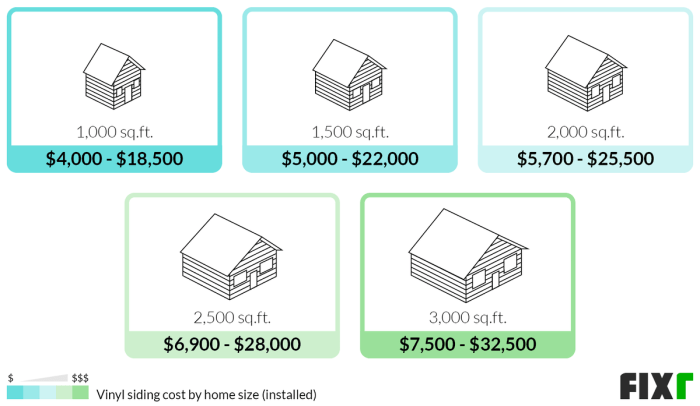
The size of the house is a key factor in determining the total cost of vinyl siding. Larger houses require more materials and labor, resulting in higher overall expenses. A bigger house will naturally cost more to side compared to a smaller one.
Complexity of the Design
Houses with intricate designs, multiple stories, or unique architectural features may require additional time and effort to install vinyl siding properly. This complexity can lead to higher labor costs and potentially increase the overall project cost.
Insulation Needs
Adding insulation to the exterior walls along with vinyl siding can improve energy efficiency and provide better thermal comfort inside the house. However, incorporating insulation will add to the total cost of the project. The type and thickness of insulation chosen will also impact the final price.
Removal of Existing Siding
If the house already has siding that needs to be removed before installing vinyl siding, this additional step will increase the overall cost. The time and labor required for removing the old siding can add to the project expenses.
Location and Accessibility
The location of the house and its accessibility can affect the cost of vinyl siding. Houses in remote areas or with challenging terrain may incur higher transportation and labor costs. Factors like local permit fees and regulations can also influence the final price.
Contractor Experience
The experience and reputation of the contractor hired for the vinyl siding project can impact the cost. Skilled and experienced contractors may charge higher fees for their services, but their expertise can ensure a quality installation that may reduce the risk of future repairs or replacements.
Average cost calculation methods for vinyl siding
When it comes to determining the average cost to vinyl side a house, there are various methods used to calculate the overall expenses. These methods can help homeowners estimate the total cost accurately based on specific requirements and preferences.
Comparison of Different Calculation Approaches
- Square Footage Method: One common method to calculate the cost of vinyl siding is based on the square footage of the house. By multiplying the total square footage to be covered by the cost per square foot of vinyl siding, homeowners can get an estimate of the total cost.
- Per Panel Method: Another approach is to calculate the cost per panel of vinyl siding and then multiply it by the total number of panels needed for the house. This method provides a more detailed breakdown of the cost based on individual panels.
- Professional Quote Method: Homeowners can also opt to get quotes from professional contractors who specialize in vinyl siding installation. These quotes can provide a more accurate estimate of the cost, taking into account labor, materials, and other factors.
Illustrative Calculation Example
Let's consider a hypothetical house with a total square footage of 2,000 sq ft and a cost of $4 per square foot for vinyl siding. Using the square footage method, the calculation would be as follows:
Total Cost = Total Square Footage x Cost Per Square FootTotal Cost = 2,000 sq ft x $4 = $8,000
Tips for Accurate Cost Calculation
- Consider additional costs such as labor, removal of old siding, and disposal fees when estimating the total cost.
- Get multiple quotes from different contractors to compare prices and services before making a final decision.
- Factor in any customization or special requirements that may affect the overall cost of vinyl siding installation.
Types of vinyl siding and their cost implications
When it comes to choosing vinyl siding for your house, there are various options available in the market, each with its own cost implications. The type of vinyl siding you choose can significantly impact the overall cost of the project.
Different Types of Vinyl Siding
- Vinyl Shake Siding: Mimics the look of traditional cedar shake siding but at a lower cost.
- Vinyl Board and Batten Siding: Features alternating wide boards and narrow strips for a unique aesthetic.
- Vinyl Lap Siding: The most common type, with long horizontal panels that overlap each other.
Cost Differences Between Siding Options
- Premium Vinyl Siding:Made of high-quality materials, durable, and often comes with extended warranties. Can cost between $7 to $12 per square foot.
- Mid-Range Vinyl Siding:Offers a balance between quality and affordability. Typically priced between $4 to $7 per square foot.
- Budget Vinyl Siding:Basic vinyl siding that is more affordable but may lack some features of premium options. Prices range from $2 to $4 per square foot.
Popular Brands and Price Ranges
- CertainTeed:A well-known brand offering premium vinyl siding options ranging from $6 to $10 per square foot.
- Alside:Provides mid-range vinyl siding solutions with prices averaging between $4 to $6 per square foot.
- Georgia-Pacific:Offers budget-friendly vinyl siding options starting at $2.50 per square foot.
Labor costs and additional expenses
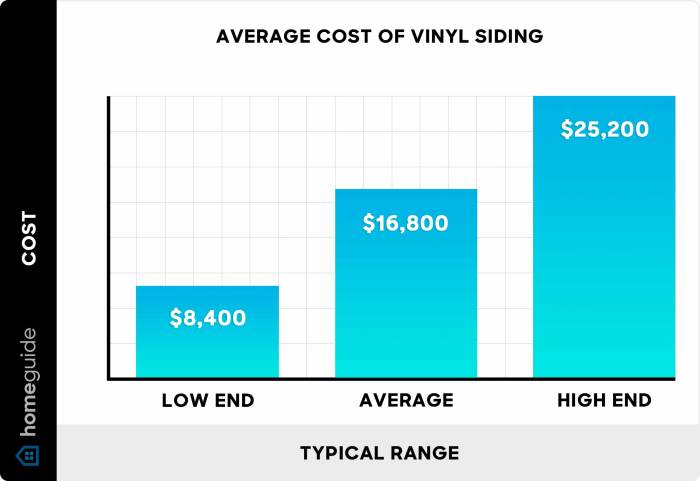
When it comes to vinyl siding installation, labor costs and additional expenses can significantly impact the overall cost of the project. Let's take a closer look at these factors.
Labor Costs
Labor costs for vinyl siding installation can vary depending on the contractor's rates, location, and the size of the project. On average, labor costs typically range from $40 to $60 per hour per worker. For a standard 1,500 square foot house, labor costs can amount to around $2,500 to $4,000.
Additional Expenses
In addition to labor costs, there are other expenses to consider when budgeting for vinyl siding installation. These can include permit fees, disposal fees for old siding, equipment rental (such as scaffolding or ladders), and any unforeseen repairs that may be needed during the installation process.
These additional expenses can add up to several hundred dollars to the total cost of the project.
Tips to Minimize Costs
To minimize labor and additional expenses, consider obtaining multiple quotes from different contractors to compare prices. Additionally, try to schedule the installation during the off-season when contractors may offer lower rates. You can also save on disposal fees by arranging for the disposal of old siding yourself.
It is essential to have a detailed contract with your contractor outlining all costs and expenses to avoid any surprises during the project.
Breakdown of Labor Costs
On average, labor costs typically make up around 30% to 50% of the total cost of vinyl siding installation. This percentage can vary based on the complexity of the project and the contractor's rates. It's crucial to factor in labor costs when budgeting for your vinyl siding project to ensure you have a clear understanding of the overall expenses involved.
Final Conclusion
In conclusion, understanding the average cost to vinyl side a house is crucial for homeowners looking to enhance their property's exterior. By grasping the key factors affecting pricing and calculation methods, individuals can make informed decisions to achieve the desired results within budget constraints.
Dive into the realm of vinyl siding costs armed with knowledge and confidence.
Clarifying Questions
What factors influence the average cost to vinyl side a house?
Factors such as siding type, house size, complexity of installation, and additional features can impact the overall cost.
How are the average costs calculated for vinyl siding?
Common methods include square footage pricing, material costs, labor expenses, and additional fees for permits or equipment rental.
What are the different types of vinyl siding and how do they affect costs?
Options range from premium to budget vinyl siding, each with varying price points that can influence the overall project cost.
What labor costs and additional expenses should homeowners consider?
Labor costs, permits, disposal fees, and equipment rental are additional expenses that can contribute to the total cost of vinyl siding a house.




![13 Steps to Selling a House With a Realtor [A to Z Process]](https://business.sabineblog.com/wp-content/uploads/2025/11/How-to-Sell-Your-House-with-a-Realtor-120x86.jpeg)