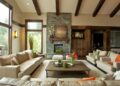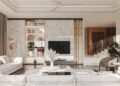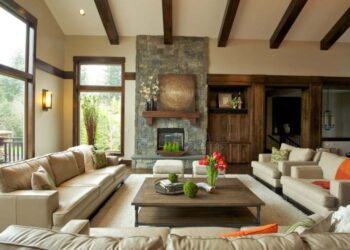

Exploring the realm of house interior design, this guide offers a deep dive into the importance of creating a space that is not only visually appealing but also functional and reflective of personal style. From color schemes to furniture choices, discover how each element plays a crucial role in shaping the ambiance of a home.
Delve into the intricate details of various interior design styles, learn how to effectively combine elements for a cohesive look, and gather room-specific tips to elevate the aesthetic of every corner of your house.
Importance of House Interior Design
House interior design plays a crucial role in creating a comfortable living space that reflects the personality and preferences of the homeowner. It goes beyond just aesthetics, influencing mood, productivity, and overall well-being.
Impact on Mood and Productivity
Interior design can significantly impact an individual's mood and productivity levels. For example, a cluttered and disorganized space can lead to feelings of stress and anxiety, making it challenging to focus and be productive. On the other hand, a well-designed and organized space with natural light and soothing colors can promote relaxation, creativity, and enhanced productivity.
Reflecting Personal Style and Preferences
Your home's interior design is a reflection of your personal style and preferences. Whether you prefer a minimalist, modern, or cozy traditional style, the design choices you make can showcase your unique taste and personality. From furniture selection to color palettes, each element contributes to creating a space that feels like home.
Elements of House Interior Design
When it comes to house interior design, there are several key elements that play a crucial role in creating a cohesive and visually appealing space. These elements include color, lighting, furniture, and decor. Each of these components contributes to the overall design aesthetic and can significantly impact the look and feel of a room.
Color
Color is one of the most powerful tools in interior design. It has the ability to set the mood, create a sense of harmony, and define the overall style of a space. When choosing colors for your home, consider the mood you want to evoke in each room.
Warm colors like reds, yellows, and oranges can create a cozy and inviting atmosphere, while cool colors like blues and greens can promote a sense of calm and relaxation. It's essential to choose a color palette that complements the overall style of your home and reflects your personal taste.
Lighting
Lighting is another critical element in interior design as it can dramatically affect the ambiance of a room. Natural light is always ideal, but artificial lighting sources such as chandeliers, sconces, and lamps can also enhance the space. Consider the function of each room when planning the lighting design.
For example, task lighting is essential in kitchens and home offices, while ambient lighting can create a warm and inviting feel in living rooms and bedrooms.
Furniture
Furniture plays a significant role in both the functionality and aesthetics of a space. When selecting furniture pieces, consider the scale of the room, the flow of traffic, and the overall style you want to achieve. Mix and match different furniture styles to create visual interest, but ensure that they complement each other in terms of color, material, and design.
Remember to prioritize comfort and functionality when choosing furniture for your home.
Decor
Decor items such as artwork, rugs, pillows, and accessories are the finishing touches that bring a room together. These elements add personality and character to a space, making it feel more inviting and unique. When decorating, consider the scale of your decor items, the color scheme, and the overall theme of the room.
Be mindful not to overcrowd the space with too many decorations, as this can make the room feel cluttered and overwhelming.By effectively combining these key elements of house interior design, you can create a harmonious and visually appealing space that reflects your personal style and enhances your everyday living experience.
Popular Interior Design Styles
When it comes to interior design, there are various styles that homeowners can choose from to create a unique and personalized space. Each style has its own characteristics and key features that set it apart from the others. Understanding the different interior design styles can help individuals make decisions on how they want to decorate their homes.
Minimalist Style
Minimalist interior design focuses on simplicity, functionality, and clean lines. This style often uses a neutral color palette, simple furniture pieces, and a clutter-free environment. Key features include open spaces, natural light, and a minimalist approach to decoration.
Scandinavian Style
Scandinavian interior design is known for its light and airy feel, with a focus on simplicity, minimalism, and functionality. This style incorporates natural elements, such as wood and plants, to create a cozy and inviting atmosphere. Key features include light colors, natural materials, and a balance of form and function.
Modern Style
Modern interior design is characterized by clean lines, geometric shapes, and a sleek aesthetic. This style often features a mix of materials, such as glass, metal, and concrete, to create a contemporary look. Key features include open floor plans, minimalistic furniture, and an emphasis on simplicity.
Rustic Style
Rustic interior design embraces a cozy and charming feel, with a focus on natural materials and textures. This style often incorporates elements like exposed wood, stone, and vintage furnishings to create a warm and inviting space. Key features include earthy tones, distressed finishes, and a sense of nostalgia.
Industrial Style
Industrial interior design draws inspiration from old factories and warehouses, featuring raw and unfinished materials like exposed brick, metal, and concrete
Bohemian Style
Bohemian interior design is eclectic and colorful, with a mix of patterns, textures, and global influences. This style embraces a laid-back and free-spirited vibe, incorporating elements like layered rugs, plants, and unique decor pieces. Key features include vibrant colors, mix-and-match furniture, and a sense of individuality.
Room-Specific Interior Design Tips
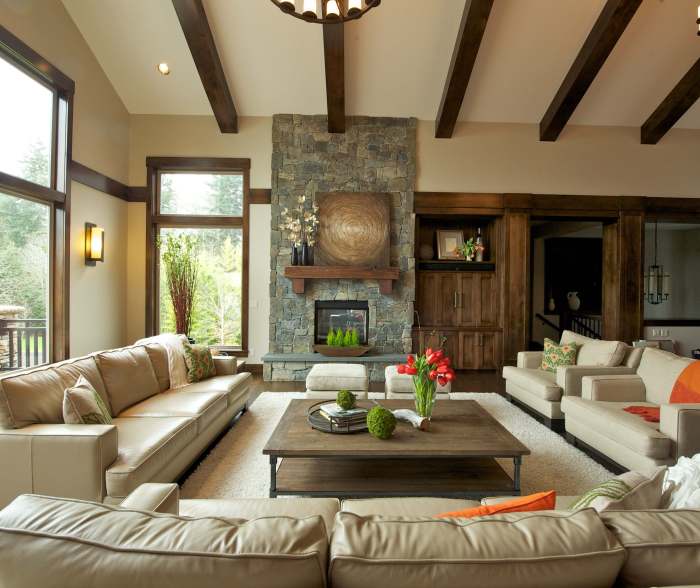
When it comes to designing different rooms in your house, there are specific tips and tricks that can help you make the most out of each space. Whether it's your living room, bedroom, kitchen, or bathroom, focusing on maximizing space, functionality, and creating a harmonious ambiance is key.
Living Room
When designing your living room, consider the following:
- Choose a focal point, such as a fireplace or a piece of art, to anchor the room.
- Opt for versatile furniture pieces that can be easily rearranged for different purposes.
- Use a mix of textures and materials to add visual interest and depth to the space.
- Incorporate personal touches like family photos or meaningful decor items to make the room feel cozy and inviting.
Bedroom
For a well-designed bedroom, keep these tips in mind:
- Select a calming color palette to promote relaxation and sleep.
- Invest in a quality mattress and bedding for comfort.
- Create a designated workspace if needed, but keep it separate from the sleeping area.
- Use soft lighting and cozy textiles to enhance the overall comfort and ambiance of the room.
Kitchen
When designing your kitchen, consider the following:
- Opt for functional layout with easy access to important areas like the sink, stove, and refrigerator.
- Maximize storage space with clever solutions like pull-out shelves and hanging racks.
- Incorporate durable materials that are easy to clean and maintain.
- Add personal touches with decorative elements like plants or artwork to make the space feel inviting.
Bathroom
For a well-designed bathroom, keep these tips in mind:
- Choose moisture-resistant materials for flooring and walls to prevent damage.
- Consider storage solutions like built-in shelves or cabinets to keep the space organized.
- Opt for good lighting, especially around the vanity area for tasks like grooming and applying makeup.
- Add luxurious touches like plush towels and scented candles to create a spa-like atmosphere.
Final Summary
In conclusion, house interior design is a powerful tool that can transform a house into a home, reflecting the unique personality and preferences of its inhabitants. By understanding the key elements, exploring popular styles, and implementing room-specific tips, anyone can create a space that is both functional and visually stunning.
Question & Answer Hub
How does interior design impact mood?
Interior design can significantly influence mood by using colors, lighting, and textures to create a certain atmosphere. For example, warm tones like orange and red can evoke feelings of coziness and energy.
What are some popular interior design styles?
Popular interior design styles include minimalist, Scandinavian, industrial, modern, and bohemian. Each style has its unique characteristics and aesthetics.
How can I maximize space in a small room?
To maximize space in a small room, consider using multifunctional furniture, utilizing vertical storage, and keeping the color palette light to create an illusion of openness.
What are some key elements to consider in kitchen interior design?
Key elements in kitchen interior design include efficient layout for workflow, adequate storage solutions, proper lighting for tasks, and durable materials that are easy to maintain.
![13 Steps to Selling a House With a Realtor [A to Z Process]](https://business.sabineblog.com/wp-content/uploads/2025/11/How-to-Sell-Your-House-with-a-Realtor-120x86.jpeg)