

Delving into the world of Japandi interior design, this article aims to provide a captivating overview of this unique fusion style that blends Japanese minimalism with Scandinavian warmth.
As we uncover the key characteristics, color palettes, furniture styles, decor elements, and more, readers will gain a deeper understanding of what makes Japandi interiors so appealing.
Understanding Japandi Interior
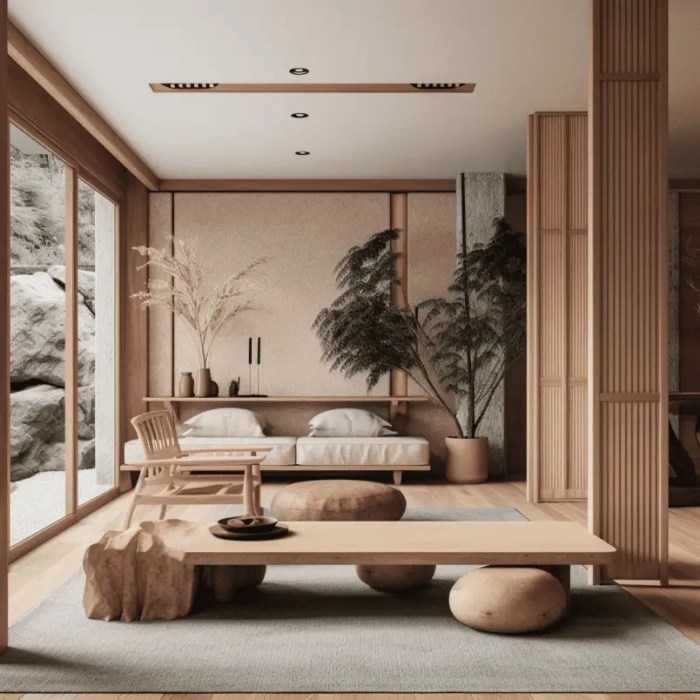
Japandi interior design is a fusion of Japanese minimalism and Scandinavian simplicity, creating a harmonious blend of two distinct styles.
Key Characteristics of Japandi Style
- Minimalist Aesthetic: Japandi design focuses on clean lines, simple forms, and a clutter-free environment.
- Natural Materials: The use of natural materials such as wood, stone, and bamboo is prevalent in Japandi interiors.
- Neutral Color Palette: Japandi style often features a neutral color palette with accents of muted tones for a sense of tranquility.
- Functional Design: Furniture and decor in Japandi interiors are not only aesthetically pleasing but also highly functional, emphasizing practicality.
- Wabi-Sabi Influence: Japandi design embraces the Japanese philosophy of wabi-sabi, finding beauty in imperfection and impermanence.
Origins of Japandi and Cultural Influences
The term "Japandi" emerged as a trend in the design world, combining elements from Japanese and Scandinavian design philosophies. Japanese design principles like "wabi-sabi" and "ma" (negative space) blend seamlessly with the Scandinavian emphasis on simplicity and functionality. This fusion creates a unique aesthetic that celebrates the best of both worlds, resulting in a timeless and serene interior style.
Color Palette and Materials
In Japandi interiors, the color palette is typically a harmonious blend of neutral tones and earthy colors that create a sense of tranquility and simplicity.
Significance of Natural Materials
Natural materials play a crucial role in Japandi design as they emphasize the connection to nature and promote a sense of balance and harmony within the space. These materials are valued for their durability, sustainability, and timeless appeal.
- Wood: Wood is a key element in Japandi interiors, with light oak and dark walnut being popular choices. It adds warmth and texture to the space.
- Stone: Natural stone such as marble or granite is often used for countertops or accent pieces, adding a touch of luxury to the design.
- Wool: Wool rugs or upholstery bring a cozy and inviting feel to the room while also providing sound insulation.
- Bamboo: Bamboo is a sustainable material that is commonly used for furniture, flooring, and decor accessories in Japandi interiors.
Furniture and Layout
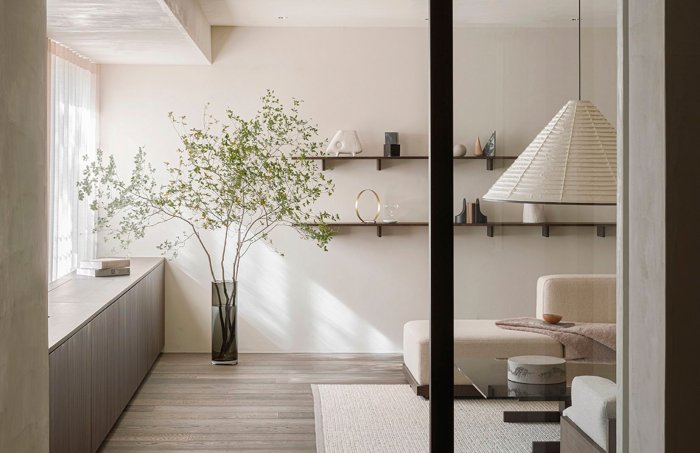
In Japandi interiors, the furniture plays a crucial role in blending the minimalism of Japanese design with the coziness of Scandinavian style. Let's explore the prominent furniture styles and layout principles in a Japandi-inspired space.
Furniture Styles in Japandi Interiors
In Japandi interiors, you will often find furniture pieces that are sleek, functional, and elegant. The key is to focus on simplicity and natural materials. Some common furniture styles include:
- Low-profile sofas and chairs with clean lines
- Wooden dining tables and chairs with a mix of light and dark tones
- Minimalist storage solutions like low cabinets and open shelves
- Functional pieces with a touch of craftsmanship, such as handwoven baskets or ceramic vases
Layout Principles in Japandi Design
When it comes to layout, Japandi design emphasizes open spaces, natural light, and a sense of harmony. Compared to other interior styles, Japandi layouts are minimalistic yet warm. The layout principles include:
- Creating a sense of balance with a mix of Japanese and Scandinavian elements
- Maximizing natural light through strategically placed windows and light-colored furniture
- Optimizing space by decluttering and using multifunctional furniture
- Embracing a neutral color palette to enhance the feeling of calmness and simplicity
Tips for Arranging Furniture in a Japandi-inspired Space
Arranging furniture in a Japandi-inspired space requires careful consideration to maintain the balance between functionality and aesthetics. Here are some tips to help you create a harmonious layout:
- Start by defining the focal point of the room, such as a cozy seating area or a statement furniture piece
- Use a mix of textures and materials to add depth and visual interest to the space
- Keep the furniture layout simple and uncluttered to allow for easy movement and a sense of openness
- Incorporate natural elements like plants or wooden accents to bring warmth and tranquility to the space
Decor and Accessories
In Japandi interiors, decor and accessories play a crucial role in enhancing the overall aesthetic while maintaining a sense of simplicity and functionality.
Key Decor Elements
Textiles, lighting, and art are key decor elements in Japandi interiors that help create a harmonious balance between Japanese minimalism and Scandinavian coziness.
- Textiles: Opt for natural fabrics like linen or cotton in neutral tones to add warmth and texture to the space.
- Lighting: Choose simple, understated light fixtures that provide a soft and ambient glow, such as paper lanterns or sleek pendant lights.
- Art: Incorporate minimalist art pieces or traditional Japanese prints to add a touch of culture and sophistication to the space.
Minimalism and Functionality in Decor
Minimalism and functionality are at the core of Japandi decor, focusing on clean lines, uncluttered spaces, and purposeful design.
- Keep decor items to a minimum to avoid visual clutter and maintain a sense of tranquility.
- Choose multi-functional furniture pieces that serve both practical and aesthetic purposes, such as storage ottomans or modular shelving units.
- Opt for decor items with a purpose, such as a woven basket for storage or a ceramic vase for displaying fresh blooms.
Incorporating Plants and Natural Elements
Bringing nature indoors is essential in Japandi interiors to create a sense of serenity and connection to the outdoors.
- Introduce potted plants like bonsai trees, bamboo, or succulents to add a touch of greenery and life to the space.
- Use natural materials such as wood, stone, or rattan in decor accents like trays, planters, or side tables to enhance the organic feel of the room.
- Consider incorporating elements of water, such as a small indoor fountain or a ceramic bowl filled with pebbles, to evoke a sense of calm and balance.
Closure

In conclusion, Japandi interior design offers a harmonious balance between simplicity and coziness, creating spaces that are both functional and aesthetically pleasing. Dive into the world of Japandi and elevate your living environment with this timeless fusion style.
Clarifying Questions
What is Japandi interior design?
Japandi interior design is a fusion style that combines the minimalism of Japanese design with the coziness of Scandinavian interiors, creating a harmonious and balanced aesthetic.
What are the key characteristics of Japandi style?
Key characteristics of Japandi style include simplicity, natural elements, neutral color palettes, clean lines, and a focus on functionality.
How can I incorporate plants into a Japandi space?
Plants can be incorporated into a Japandi space by choosing simple, elegant planters, focusing on greenery with clean lines, and placing them strategically to enhance the overall design.


![13 Steps to Selling a House With a Realtor [A to Z Process]](https://business.sabineblog.com/wp-content/uploads/2025/11/How-to-Sell-Your-House-with-a-Realtor-120x86.jpeg)